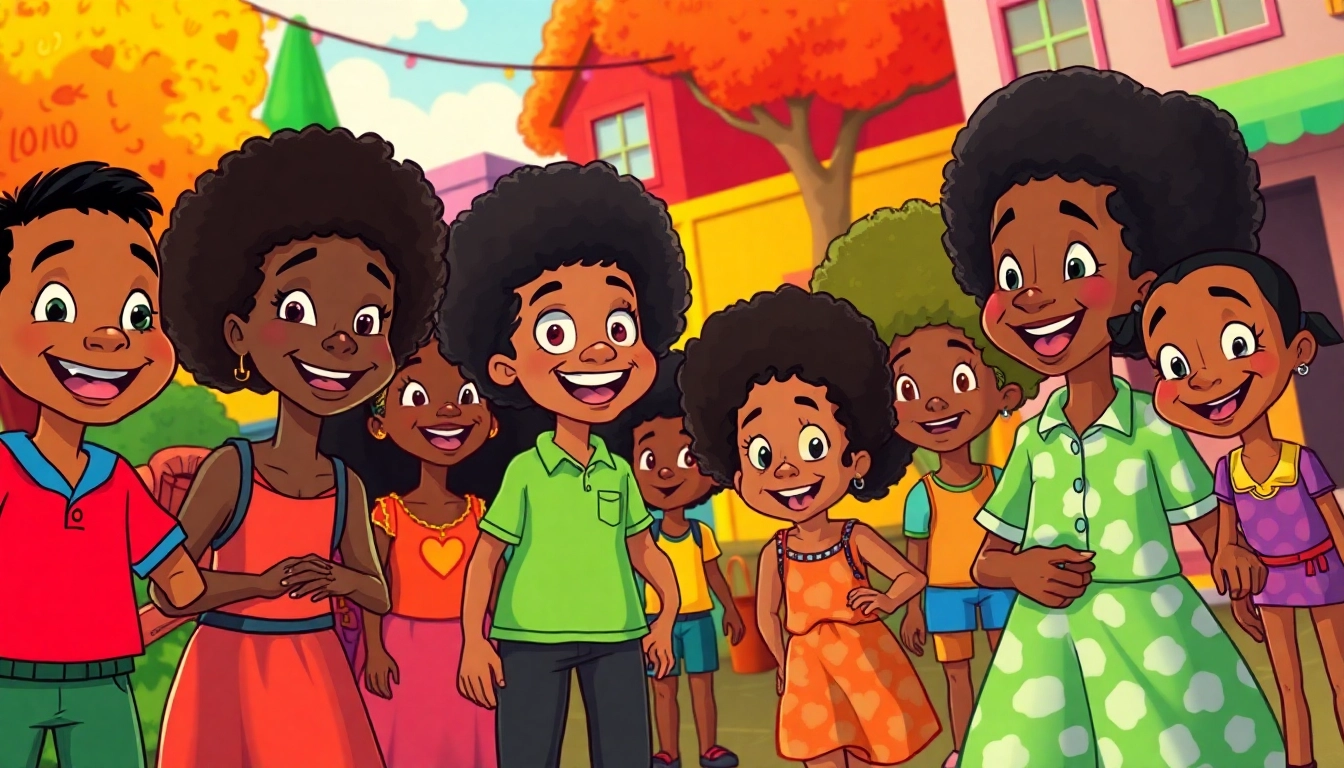
Understanding African American Cartoons
African American cartoons have played an essential role in shaping the animation landscape, providing significant representation and fostering cultural appreciation. From the early days of animation, these cartoons have addressed various themes, portraying the richness of Black culture while overcoming barriers and stereotypes. As we navigate the evolution of these works, it’s crucial to recognize their impact not only on entertainment but also on social discourse. When exploring options, African American Cartoons offers comprehensive insights into this vibrant genre.
1. Historical Context of African American Animation
The history of African American animation dates back to the early 20th century when Black artists and creators began to establish their presence in a predominantly white industry. Pioneers like Winsor McCay paved the way, but it wasn’t until the 1970s that substantial progress was made, allowing for more authentic representation. Iconic shows such as “Fat Albert and the Cosby Kids” introduced children to relatable characters and stories that reflected their own lives and struggles.
As the industry evolved, so did the representation of Black characters. The 1990s saw a surge in popularity for shows like “The Proud Family,” which portrayed everyday experiences within the African American community, showcasing both humor and heartfelt moments.
2. Key Themes and Representation
Key themes in African American cartoons often revolve around family, identity, and socio-political issues. These themes not only entertain but also educate audiences, fostering understanding and empathy. Characters like Huey and Riley Freeman from “The Boondocks” tackle serious topics such as racism, classism, and cultural identity, providing a platform for discussion among viewers of all ages.
The portrayal of these themes is crucial, as representation matters significantly in media. It helps dismantle stereotypes while providing role models and narratives that inspire future generations.
3. Cultural Impact on Society
Cartoons featuring African American characters have had a profound impact on society, shaping perceptions and sparking conversations around race and culture. For example, “The Boondocks” is renowned for its satirical take on the African American experience, provoking thought and dialogue around critical societal issues. Similarly, “Doc McStuffins” is not only a beloved children’s show but also serves as an empowering story about a young Black girl aspiring to be a doctor, promoting diversity in the fields of STEM.
By addressing both humorous and serious topics, these shows have encouraged audiences to reflect on their own attitudes and beliefs, ultimately contributing to greater awareness and acceptance within society.
Top African American Cartoons to Watch
1. Classic Favorites from the 90s
The 1990s were a landmark decade for African American animation, gifting audiences with memorable classics that are still cherished today. “The Proud Family,” which debuted in 2001, showcases the everyday lives of a young African American girl and her family, emphasizing the importance of family and friends.
Another classic, “Hey Arnold!,” featured several prominent Black characters such as Gerald and Phoebe, which contributed to a more varied portrayal of urban life. Shows like these combined humor and life lessons, resonating with many children growing up during this time.
2. Modern Hits of 2026
As we look to 2026, new animated series continue to emerge, pushing the boundaries of storytelling in African American animation. “Motown Magic,” a Netflix series, has captivated younger audiences with its vibrant animation and engaging storylines that introduce children to the music of Motown. Meanwhile, “Craig of the Creek” has earned critical acclaim for its diverse cast and relatable narratives surrounding friendship and adventure.
With platforms like YouTube also playing a significant role in content distribution, many independent African American animators are finding ways to share their narratives, reflecting a diverse range of experiences and styles.
3. Educational Cartoons for Kids
Educational content is pivotal in shaping young minds, and several African American animated series are designed with that goal in mind. “Doc McStuffins” provides a positive representation of a Black girl in medicine, encouraging young children, especially girls of color, to aspire to careers in healthcare.
Another educational show, “Go, Dog. Go!”, though not exclusively African American, includes diverse characters and themes that promote inclusivity and learning through engaging stories and adventures.
Iconic Characters in African American Animation
1. Symbolism in Character Design
Character design in African American animation often includes symbolic elements that reflect cultural heritage and identity. For instance, characters from “The Boondocks” are deliberately designed to represent varied hairstyles, fashion, and cultural references that resonate with the African American community.
Furthermore, characters like Frozone from “The Incredibles” and Huey Freeman illustrate the importance of diversity in media representation. These characters break away from traditional stereotypes, showcasing intelligence, strength, and resilience.
2. Influential Voice Actors and Creators
Behind every memorable character are talented voice actors and creators who have dedicated their careers to enriching the animation landscape. Notable figures like Phil Lamarr and Regina King have lent their voices to iconic characters, bringing depth and authenticity to their roles.
Creators such as Aaron McGruder and Bruce W. Smith have also made significant contributions, paving the way for future generations of animators and storytellers within the African American community.
3. The Evolution of Black Characters in Cartoons
The journey of Black characters in animation has seen tremendous growth, reflecting societal changes over the decades. From stereotypical representations to well-rounded, complex characters, the evolution is indicative of broader cultural shifts. Shows like “The Proud Family” and “Afro Samurai” have contributed to a newfound respect for storytelling that embraces and highlights African American culture.
This evolution continues as new creators tackle contemporary issues through the lens of animation, ensuring that Black voices remain at the forefront of narrative development.
Challenges Facing African American Cartoons Today
1. Industry Barriers and Representation
Despite the progress made, challenges still persist within the animation industry regarding representation and opportunities for African American creators. Historically, disparities have existed in hiring practices, leading to underrepresentation in key storytelling positions. Advocacy for greater representation in animation studios and on production teams remains critical to ensuring diverse voices are heard.
2. Overcoming Stereotypes in Animation
Stereotypes continue to plague the portrayal of Black characters in animation. Many creators aim to break these molds by telling authentic stories that reflect the nuances of Black culture. Shows like “The Boondocks” are essential in challenging stereotypes, providing counter-narratives that provoke thought and discussion.
3. Balancing Entertainment with Cultural Responsibility
Balancing entertainment with a responsibility to represent culture accurately is a significant challenge for creators. While humor and light-hearted themes are essential, they should not overshadow the underlying messages. Finding this balance is crucial in creating content that both entertains and educates.
Future Trends in African American Animation
1. Innovations in Storytelling Techniques
The future of African American animation is bright, with new storytelling techniques emerging that blend traditional animation with cutting-edge technology. These innovations offer fresh perspectives on narratives, enhancing viewer engagement and emotional connection.
2. The Rise of Streaming Platforms
With the rise of streaming platforms, diverse content is more accessible than ever. These platforms provide a unique opportunity for African American creators to showcase their work, reaching a wider audience and fostering greater dialogue around cultural themes. As more creators embrace digital distribution, the animation landscape continues to diversify.
3. Predictions for the Next Decade in Animation
As we look ahead to the next decade, it is likely that African American animation will continue to expand, fueled by both audience demand and a growing number of creators. We can anticipate more complex characters, refined narratives, and a commitment to authenticity that honors Black culture. This evolution will not only enrich the animation industry but also enhance the cultural fabric of society as a whole.