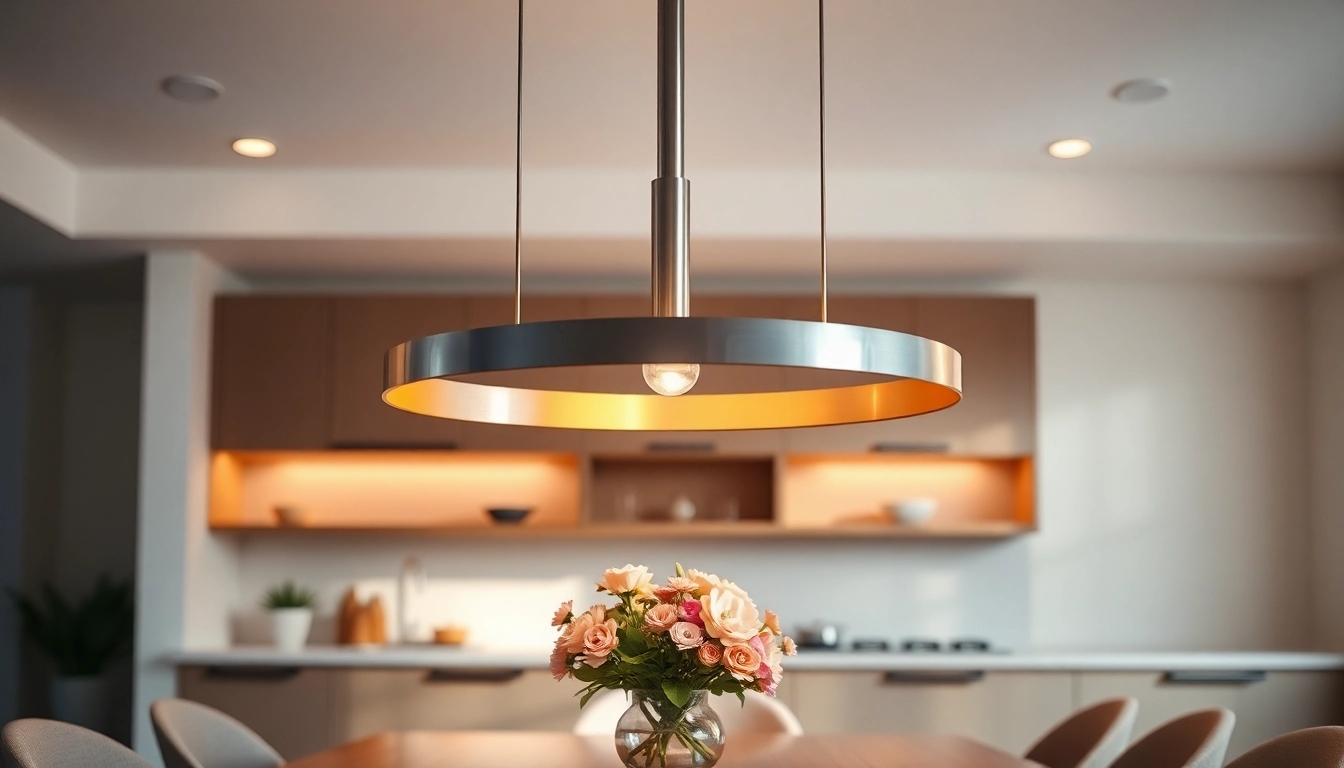
Understanding the Island Chandelier
What is an Island Chandelier?
An island chandelier is a lighting fixture specifically designed to illuminate the area above an island in a kitchen or dining space. Typically characterized by its elongated shape, an island chandelier provides both functional and aesthetic lighting; it serves to brighten up the workspace while adding style and elegance. This unique design often comes in various styles, materials, and sizes, making it a versatile choice for enhancing the visual appeal of any interior space. An island chandelier can transform the ambiance of a room, making it an essential element in modern home decor.
Historical Context of Island Chandeliers
The concept of chandeliers dates back to the medieval period, where they were primarily used in grand halls and churches. Initially, these lighting fixtures were simple wooden or iron frames that held candles. As craftsmanship advanced, chandeliers evolved into intricate works of art, incorporating materials like crystal and glass. While the traditional chandelier served mainly as a status symbol, the modern island chandelier represents a functional adaptation of this grandeur for casual and family-oriented spaces. Today, designers have embraced sustainable materials and contemporary designs, ensuring that island chandeliers remain relevant in both traditional and modern settings.
Why Choose an Island Chandelier?
Choosing an island chandelier provides numerous benefits that go beyond mere lighting. First and foremost, it enhances the visual appeal of your kitchen or dining area, often serving as a breathtaking centerpiece. An island chandelier can also help delineate space, distinctly marking areas for cooking, dining, or socializing. Furthermore, these fixtures can offer adjustable lighting options, providing both bright task lighting for food prep and warm ambient lighting for entertaining. From a practical standpoint, an adequately placed island chandelier efficiently illuminates working areas, reducing shadows and increasing visibility, crucial in busy kitchens.
Types of Island Chandeliers
Modern Designs
Modern island chandeliers reflect the minimalist aesthetic and clean lines characteristic of contemporary decor. These designs often feature materials such as steel, glass, or natural fibers and incorporate geometric shapes that create a visually striking appearance. LED bulbs are frequently used for their energy efficiency and sleek aesthetic, allowing for customizable light settings via smart home technology. Bold colors and finishes like matte black or brushed gold often complement the overall design, making modern island chandeliers a perfect fit for contemporary and industrial-style spaces.
Traditional Styles
In contrast to their modern counterparts, traditional island chandeliers embrace ornate detailing and classic materials. These fixtures often feature intricate scrollwork, crystals, or shades made from stained glass, adding an air of sophistication to any room. Colors tend to follow a more muted and classic palette, such as antique bronze and brass, allowing the chandelier to blend seamlessly with traditional decor. These designs are ideal for those looking to create an inviting and timeless atmosphere, particularly in more formal dining settings or traditional homes.
Rustic Inspirations
Rustic island chandeliers provide a warm, inviting ambiance with their emphasis on natural materials and craftsmanship. Often crafted from wood, wrought iron, or even repurposed materials, these fixtures embody a sense of simplicity and comfort. Designs may include elements such as candles or Edison bulbs, which invoke a charming, old-world feel. Rustic island chandeliers pair beautifully with farmhouse-style kitchens or any setting that desires a cozy, earthy touch, bridging the gap between elegance and homeliness.
Choosing the Right Island Chandelier
Size and Scale Considerations
One of the key factors when choosing an island chandelier is the size and scale relative to the space. An oversized chandelier in a small kitchen can feel overwhelming, while a tiny fixture in a spacious area may get lost. A good rule of thumb is to consider the size of your kitchen island; the chandelier should ideally hang between 28 to 36 inches above the countertop and be about one-half to two-thirds the length of the island. Additionally, it is essential to consider the height of the ceiling, as this can impact the overall perception of space and design.
Design Compatibility
Ensuring that your island chandelier compliments your overall decor is another vital consideration. This involves not only matching style (modern, traditional, rustic) but also color schemes and materials used in your kitchen space. For example, a contemporary island chandelier works well in an updated kitchen with sleek appliances and a neutral palette, while a vintage piece may be better suited for a retro-inspired setting. Consider the existing elements in your kitchen and how the chandelier can serve as a cohesive piece that ties the design together.
Material Options
The materials used in chandeliers can significantly affect their durability, aesthetic appeal, and maintenance. Common materials include metal, glass, and wood. Metal chandeliers often provide a modern look while being durable; glass offers transparency and lightness, often enhancing brightness; and wood can add warmth and texture. When selecting materials, think about how various elements will age over time, their resistance to kitchen conditions (like moisture), and the maintenance they may require. Choose materials that meet your needs while harmonizing with your design vision.
Installation Tips for Island Chandeliers
Height Recommendations
Installing an island chandelier requires careful attention to height for optimal functionality and visual appeal. The industry standard suggests hanging the chandelier 28 to 36 inches above the countertop. This height allows for ample illumination while preventing obstruction of sight lines. When determining the exact height, consider factors such as the chandelier’s design and the overall height of the room. It’s essential to consistently maintain these measurements for a harmonious look.
Wiring and Electrical Setup
Before proceeding with installation, ensure that you have the appropriate wiring and electrical setup. If uncertain, consulting with an electrician is advisable to adhere to safety standards. Existing wiring must support the chandelier’s weight and power requirements. Additionally, consider the chandelier’s positioning in relation to existing light switches, planning for access and ensuring that the fixture can be easily operated. If you’re not comfortable with electrical work, hiring a professional is the safest route.
DIY vs. Professional Installation
While some homeowners may feel comfortable taking on the installation as a DIY project, hiring a professional can alleviate stress and ensure that the installation adheres to all safety codes. DIY installation requires some knowledge of electrical systems, tools, and appropriate safety measures. For those unfamiliar with this work, or for particularly large or complex fixtures, professional installation is generally recommended. This ensures the chandelier is securely mounted and safely wired, preventing potential hazards.
Maintenance and Care for Island Chandeliers
Cleaning and Upkeep
Regular cleaning is essential to maintain the beauty and functionality of your island chandelier. Depending on the materials, you might need to dust it weekly using a soft microfiber cloth. For deeper cleaning, remove any detachable components and clean them according to the manufacturer’s instructions. Avoid using harsh chemicals or abrasive materials which may damage delicate finishes. For glass features, specialized glass cleaners can help achieve a genuine sparkle without leaving streaks.
Dealing with Bulb Replacement
Bulb replacement should be part of your maintenance routine to ensure optimal lighting. While many modern island chandeliers use LED bulbs, which last longer, knowing how to safely change and replace them is crucial. Make sure to turn off the power before beginning and allow bulbs to cool down if they were recently in use. Refer to the manufacturer’s specifications for compatible replacements, and consider upgrading to energy-efficient bulbs when possible, as they are more durable and cost-effective over time.
Seasonal Decorating Ideas
Island chandeliers can be a focal point for seasonal decorating, easily adaptable to changing styles and colors throughout the year. In the winter, you might add warm-toned ornaments or garland, while summer could encourage a minimalist look with greenery or floral elements. During holidays, consider adding themed decor that lightly drapes or hangs from the fixture without compromising safety or accessibility. This seasonal adaptability allows your island chandelier to shine throughout the year, enhancing your home’s welcoming atmosphere.
Frequently Asked Questions about Island Chandeliers
1. How do I choose the right size for my island chandelier?
The right size should be proportionate to your kitchen island, typically one-half to two-thirds its length. Hang it 28 to 36 inches above the counter for optimal lighting.
2. Can I install an island chandelier myself?
Yes, if you’re comfortable with electrical work. However, for safety and compliance, it’s advisable to hire a professional for installation.
3. What materials are best for an island chandelier?
Common materials include metal for durability, glass for a modern touch, and wood for a rustic feel. Choose based on your kitchen style and maintenance preferences.
4. How do I clean my island chandelier effectively?
Dust weekly with a microfiber cloth. For deeper cleaning, consult the manufacturer’s instructions and use appropriate cleaning solutions for the material.
5. What type of bulbs should I use in my island chandelier?
LED bulbs are highly recommended due to their energy efficiency and longevity. Ensure they are compatible with your chandelier’s specifications.