Understanding TradingView: An Overview
In the rapidly evolving world of trading and online investment, platforms like TradingView have emerged as indispensable tools for both novice and experienced traders. Offering an extensive range of features, TradingView not only enables users to conduct advanced technical analysis but also provides market data, alerts, and cross-device capabilities that enhance trading efficiency. This introduction to TradingView outlines its core functionalities, who benefits from its use, and how to maximize its potential as a trading platform.
What is TradingView?
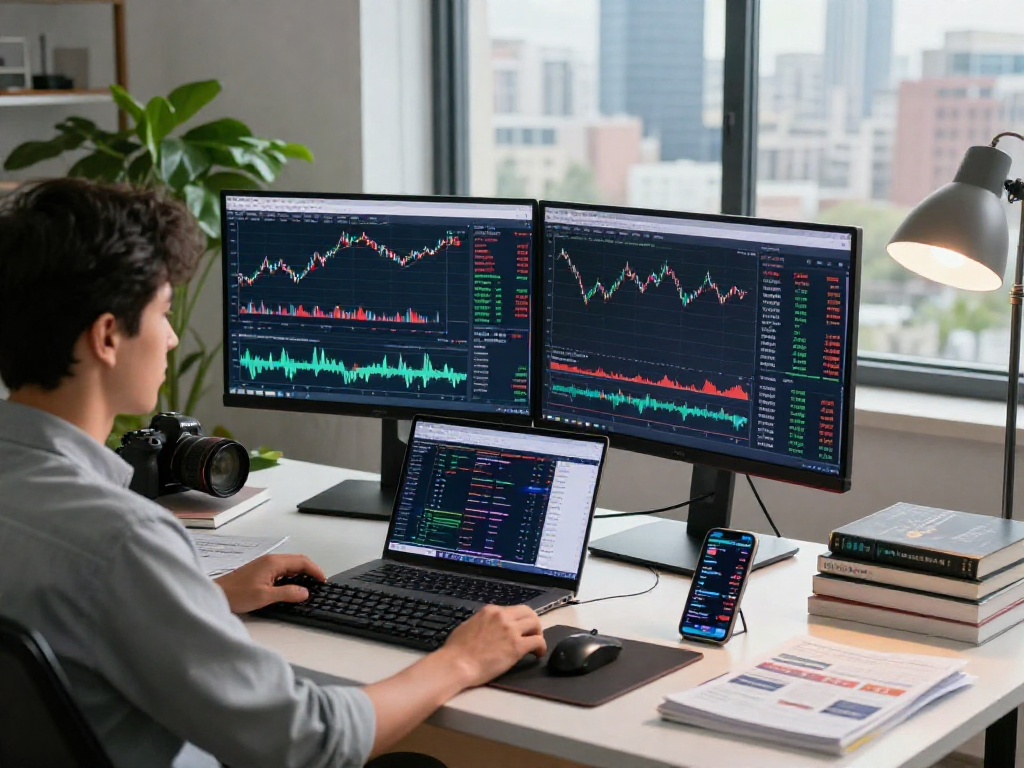
TradingView is a social network for traders, providing them with advanced charting tools, real-time data, and a community-driven approach to market analysis. The platform supports a wide array of financial instruments, including stocks, forex, cryptocurrencies, and commodities. Users can access TradingView via web browsers and mobile applications, making it versatile for trading on-the-go or from the comfort of their desktops.
Core Features of TradingView
- Advanced Charting Tools: Users have access to a multitude of chart types, technical indicators, and drawing tools, enabling them to perform comprehensive market analyses.
- Custom Alerts: Traders can set price alerts and notifications based on specific market conditions, helping them stay informed without constantly monitoring the markets.
- Market Screening: The platform features advanced screening tools that allow traders to filter assets based on various technical and fundamental factors.
- Community Interaction: TradingView hosts a vibrant community where traders can share ideas, scripts, and strategies, fostering collaboration and learning.
Who Can Benefit from TradingView?
TradingView is designed to cater to a broad range of users, from individual investors to professional traders and financial analysts. Its flexibility and comprehensive suite of tools make it suitable for anyone looking to improve their trading strategies and market understanding. Retail traders benefit from its social features and educational resources, while institutional traders can leverage its advanced charting and alert systems for high-frequency trading strategies.
Getting Started with TradingView
Creating Your Account
Getting started with TradingView is straightforward. Users can sign up for a free account, which grants access to basic features, or choose from various subscription plans that offer more advanced capabilities. The sign-up process includes verifying your email address and setting up your profile, after which you can begin customizing your trading environment.
Customizing Your Trading Dashboard
Once logged in, you can personalize your dashboard to enhance your trading experience. This includes arranging widgets, adjusting chart settings, and saving layouts that suit your trading style. TradingView’s user-friendly interface allows seamless customization, enabling traders to focus on what matters most.
Exploring Free vs. Paid Features
While the free version of TradingView provides essential features such as basic charting tools and limited alerts, the paid subscriptions unlock advanced functionalities, including additional indicators, multiple chart layouts, and enhanced customer support. Each pricing tier is designed to meet different user needs, from casual traders to dedicated professionals.
Mastering Chart Analysis with TradingView
Utilizing Technical Indicators
TradingView boasts a wide array of technical indicators that can be applied directly to charts. Popular indicators like Moving Averages, RSI, and MACD allow traders to analyze price trends and market momentum. Customization options enable traders to adjust settings to better fit their trading strategies.
Leveraging Multi-Timeframe Analysis
The ability to analyze multiple timeframes simultaneously is one of TradingView's standout features. This capability allows traders to identify trends across different time periods, enhancing their ability to make informed trading decisions. Users can easily switch between timeframes and view multiple charts in a synchronized layout.
Enhancing Visual Insights with Custom Scripts
TradingView caters to developers and seasoned traders through its Pine Script programming language, enabling users to create custom indicators and trading strategies. This feature allows users to backtest their strategies on historical data, providing valuable insights into their potential effectiveness.
Setting Up Alerts and Notifications
Configuring Price Alerts Effectively
Setting up price alerts is crucial for traders looking to act swiftly when market conditions change. TradingView allows users to create alerts based on specific price levels and indicators. Once set, users receive notifications via email or app, ensuring they never miss critical trading opportunities.
Understanding Condition Alerts
Beyond simple price alerts, condition alerts enable traders to receive notifications when certain technical conditions are met. For example, traders can set alerts for specific patterns or crossover events, automating part of their decision-making process and allowing them to focus on strategy rather than constant monitoring.
Maximizing Alerts Across Devices
One of the advantages of TradingView is its cross-device functionality. Alerts set on one device will sync seamlessly across web, desktop, and mobile platforms. This feature ensures that traders can stay informed no matter where they are, making it easier to manage trades effectively.
Future Trends in Trading with TradingView
Emerging Features for 2026
As the trading landscape evolves, TradingView continues to innovate. Upcoming features expected in 2026 include enhanced AI-driven insights, improved integration with brokerage accounts for seamless trading, and more sophisticated analytical tools that cater to the preferences of modern traders. Keeping abreast of these developments can greatly benefit users looking to stay competitive.
Integrating AI into Trading Strategies
Artificial intelligence is increasingly influencing trading strategies, and TradingView is poised to incorporate AI features for better predictive analytics. These advancements could help traders identify opportunities and risks more effectively, making TradingView an even more invaluable resource.
Staying Ahead in Market Analysis
Staying updated with market trends and technologies is essential for traders. With TradingView's community features, users can access the latest market analyses, expert commentaries, and research directly within the platform. Engaging with other traders through comments and forums can provide insights into innovative trading methods and strategies.
What are the main benefits of using TradingView?
TradingView simplifies the trading experience through its comprehensive tools, social community, and flexible access across devices. Whether you are looking for in-depth analysis, real-time alerts, or community support, TradingView offers a full suite of features to enhance your trading proficiency.
Can I use TradingView on mobile devices?
Yes, TradingView offers mobile applications for both iOS and Android, allowing users to trade and monitor the markets from anywhere. The mobile experience mirrors many features of the desktop and web versions, ensuring users have access to their trading tools on-the-go.
How does TradingView compare to competitors?
TradingView stands out among trading platforms due to its user-friendly interface, extensive charting capabilities, and vibrant community. While other platforms may offer similar features, TradingView’s combination of social interaction and customization options sets it apart, catering to both novice and experienced traders.
What types of assets can I trade on TradingView?
Users can trade a diverse range of assets on TradingView, including stocks, forex, cryptocurrencies, ETFs, and commodities. This flexibility allows traders to explore various markets and make diverse investment choices all in one platform.
Are there any hidden fees with TradingView subscriptions?
TradingView's subscription plans are transparent, with clearly outlined features and costs. However, users should be aware of potential additional costs related to data feeds for specific markets, which may be required depending on the trading activities they pursue.