
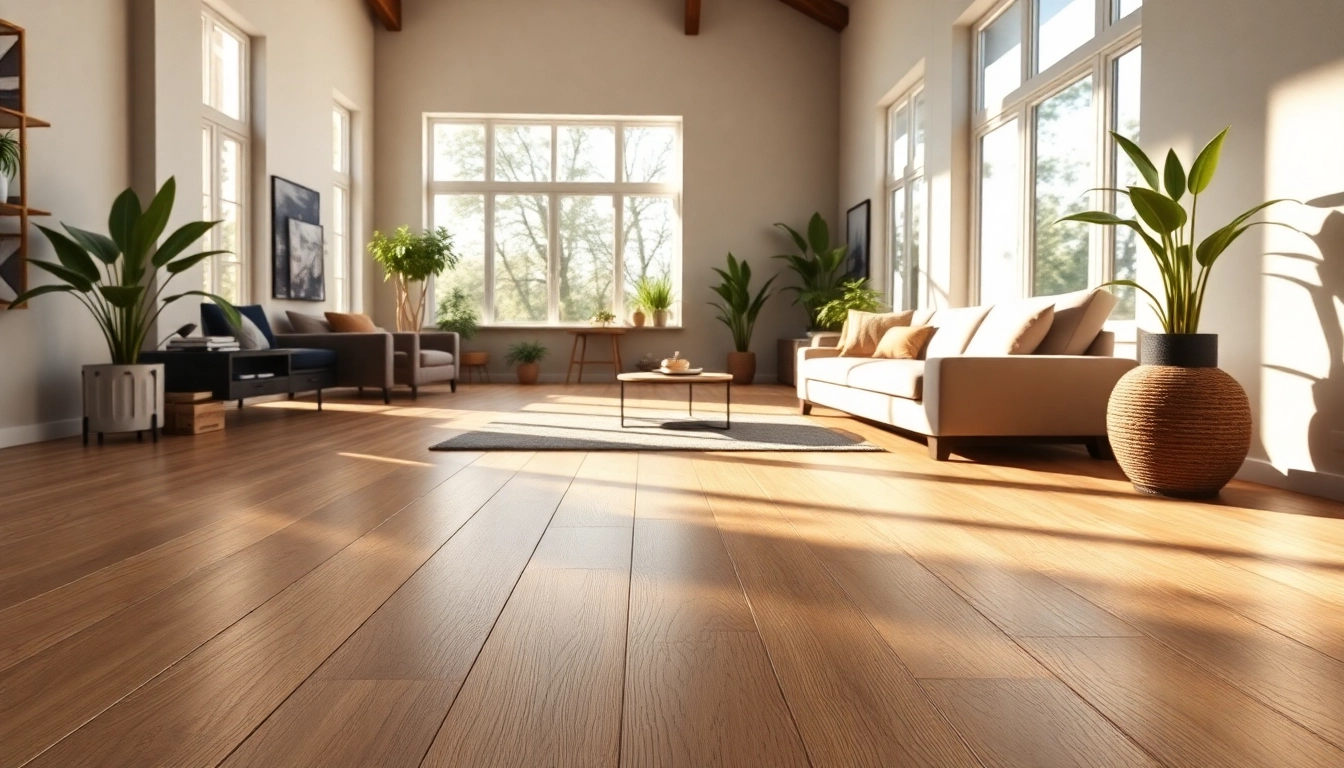
Understanding Luxury Vinyl Flooring
What is Luxury Vinyl Flooring?
Luxury vinyl flooring (LVP) is a premium flooring option that mimics the look of natural materials such as hardwood, stone, and tile while providing enhanced durability and comfort. It consists of multiple layers, including a durable wear layer, a printed design layer, and a backing layer, which work together to create a practical and aesthetically pleasing flooring solution. This versatility makes luxury vinyl flooring an appealing choice for various residential and commercial spaces.
Key Benefits of Luxury Vinyl Flooring
Luxury vinyl flooring offers numerous benefits that cater to homeowners, designers, and builders alike:
- Durability: LVP is designed to withstand heavy foot traffic and resist scratches, dents, and stains, making it ideal for busy households.
- Water Resistance: Many luxury vinyl products are waterproof, allowing for installation in moisture-prone areas like kitchens and bathrooms.
- Comfort: The cushioning layer of LVP adds comfort underfoot, making it significantly softer than traditional tile or hardwood flooring.
- Design Flexibility: LVP comes in a variety of colors, styles, and textures, allowing homeowners to customize their spaces easily.
- Ease of Maintenance: Cleaning LVP is simple, requiring only regular sweeping and occasional damp mopping.
Different Types of Luxury Vinyl Flooring
Luxury vinyl flooring comes in several formats, each offering unique characteristics:
- Luxury Vinyl Plank (LVP): Designed to replicate the look of hardwood floors, LVP typically comes in long, rectangular planks that can mimic various wood species.
- Luxury Vinyl Tile (LVT): This type closely resembles natural stone or ceramic tiles and is available in square or rectangular shapes, providing a diverse array of design options.
- Loose Lay Vinyl: These planks or tiles do not require adhesive for installation, allowing for easier removal and replacement.
- Click Lock Vinyl: Featuring a locking mechanism, this type allows for straightforward floating floor installations.
Considerations When Selecting Luxury Vinyl Flooring
Assessing Your Space
When selecting luxury vinyl flooring, it’s crucial to assess the specifics of your space. Consider the room’s size, layout, and function. For high-traffic areas such as hallways or living rooms, a thicker vinyl with enhanced durability may be preferable, while lighter options might suffice for bedrooms or guest areas. Additionally, evaluating lighting conditions can influence your decision, as shades will appear differently in various light settings.
Understanding Durability and Maintenance
Durability is a key factor in the longevity of luxury vinyl flooring. Look for products with high wear layer thickness, which indicate better scratch and dent resistance. Regular maintenance includes sweeping or vacuuming to remove debris and using mild cleaners to address stains or spills. It is essential to follow the manufacturer’s guidelines to maintain warranty coverage and maximize the lifespan of your flooring.
Budgeting for Luxury Vinyl Flooring
While luxury vinyl flooring offers an attractive price point compared to hardwood or stone, it’s important to budget thoroughly. Consider not only the cost of the material but also installation expenses, potential underlayment requirements, and long-term maintenance. By assessing these factors, you can select a suitable product that fits your financial plan.
Installation of Luxury Vinyl Flooring
DIY Installation vs. Professional Help
Deciding between DIY installation and hiring professionals involves weighing your skills against the complexity of the project. DIY installation can save money, but requires knowledge of subfloor preparation and flooring techniques. On the other hand, hiring a professional ensures high-quality installation and may be necessary for intricate layouts or challenging spaces.
Essential Tools and Materials for Installation
For those opting for DIY installation, you’ll need a variety of tools and materials:
- Utility knife for cutting planks or tiles
- Measuring tape for accurate sizing
- Square for ensuring straight cuts
- Underlayment (if required)
- Shims for leveling uneven floors
- Flooring adhesive (if not using click lock)
Step-by-Step Installation Guide
Installing luxury vinyl flooring can be straightforward if you follow these steps:
- Preparation: Clear the area, remove the existing flooring, and ensure the subfloor is clean and level.
- Measure and Cut: Measure the room and cut the planks or tiles as needed, leaving an expansion gap around the perimeter.
- Lay the Flooring: Start from one corner and work your way across the room, following the specific requirements of the chosen flooring type (glue, click, or loose lay).
- Finishing Touches: Install suitable transitions or trim pieces along the edges to create a polished look.
Styling Your Home with Luxury Vinyl Flooring
Design Trends with Luxury Vinyl Flooring
Incorporating luxury vinyl flooring into your home opens up a plethora of design trends to explore: from rustic wood finishes and wide planks that evoke a sense of openness to bold patterns that add character. Current trends lean towards lighter colors that create airy, modern environments, while darker tones lend elegance and warmth to spaces.
Complementing Furniture and Decor
When selecting furniture and decor to complement your luxury vinyl flooring, consider color coordination and overall aesthetics. Neutral flooring allows for flexibility in decor choices, accommodating both minimalist and eclectic styles. Look for furniture that contrasts or harmonizes with the flooring tone to create a visually appealing balance throughout the room.
Area Rugs and Accessories
Adding area rugs can enhance the comfort and style of your space while protecting your luxury vinyl flooring from wear. Choose rugs that provide texture and warmth, ensuring they are made of non-slip materials to prevent accidents. Accessories such as statement lighting or wall art can also elevate the overall look, tying together your chosen elements into a cohesive design.
Maintaining Luxury Vinyl Flooring
Best Cleaning Practices
The key to maintaining the pristine look of luxury vinyl flooring lies in consistent cleaning practices. Regularly sweep or vacuum to eliminate dirt and debris, aiding in the prevention of scratches. For deeper cleaning, use a damp mop with a pH-neutral cleaner specifically designed for vinyl flooring, steering clear of harsh chemicals that could damage the surface.
Preventing Damage and Wear
To extend the life of your luxury vinyl flooring, implement preventive measures. Place doormats at every entrance to trap dirt before it enters your home. Use furniture pads under heavy items to avoid indentations, and avoid dragging furniture across the floor. Being proactive in maintenance will significantly decrease the likelihood of wear and tear.
When to Seek Professional Maintenance
While regular cleaning can generally suffice, sometimes damage may require professional intervention. If your flooring exhibits significant scratches, gouges, or stubborn stains that cannot be removed through regular cleaning, consulting a professional may be beneficial. They can assess the damage and recommend appropriate repair or replacement techniques.
Frequently Asked Questions
What is the lifespan of luxury vinyl flooring?
The lifespan of luxury vinyl flooring can range from 10 to 25 years, depending on quality, usage, and maintenance.
Can luxury vinyl flooring be installed over existing floors?
Yes, luxury vinyl flooring can often be installed over existing floors, provided the surface is smooth and stable.
Is luxury vinyl flooring suitable for pets?
Absolutely! Luxury vinyl flooring is scratch-resistant, waterproof, and easy to clean, making it an excellent choice for homes with pets.
How do I remove stains from luxury vinyl flooring?
Stains can typically be removed with a damp mop and a pH-neutral cleaner. For tougher stains, a mixture of vinegar and water may be effective.
Is luxury vinyl flooring a good choice for basements?
Yes, luxury vinyl flooring is a great option for basements due to its water resistance and ability to handle fluctuating humidity.
