Understanding Vegan Astaxanthin
Vegan astaxanthin is a powerful antioxidant derived from microalgae, particularly Haematococcus pluvialis. This natural compound is gaining traction among health enthusiasts due to its potential health benefits and its suitability for those following a vegan lifestyle. As awareness of plant-based dietary options continues to grow, many are exploring vegan astaxanthin due to its impressive antioxidant properties and its implications for overall health.
What is Vegan Astaxanthin?
Astaxanthin is a keto-carotenoid recognized for its deep red color, commonly found in various marine organisms, including shrimp, salmon, and algae. Unlike traditional astaxanthin sources, vegan astaxanthin is specifically derived from algae, making it an ideal choice for individuals looking to avoid animal products. This natural pigment not only contributes to the vibrant color of certain fish but also plays a vital role in their health, protecting against oxidative stress and inflammation.
Benefits of Vegan Astaxanthin for Health
The health benefits of vegan astaxanthin are extensive and well-documented. As one of the most potent antioxidants, astaxanthin is known to combat free radicals, which can lead to cellular damage and various chronic diseases. Key benefits include:
- Anti-inflammatory Effects: Astaxanthin may reduce inflammation in the body, potentially benefiting those with conditions such as arthritis.
- Skin Protection: Studies suggest that astaxanthin can improve skin elasticity and hydration while reducing the appearance of fine lines and sun damage.
- Eye Health: This antioxidant may protect against age-related macular degeneration and improve overall eye health.
- Cardiovascular Support: Astaxanthin may improve blood lipid profiles, reducing the risk of heart disease.
Sources of Vegan Astaxanthin in Diet
For those seeking to incorporate vegan astaxanthin into their diets, the best sources are microalgae such as Haematococcus pluvialis. Supplements containing concentrated astaxanthin derived from this algae are widely available. Additionally, some vegan-friendly foods are enriched with this nutrient, including:
- Plant-based supplements.
- Fortified smoothies.
- Certain health bars and snacks.
Why Choose Vegan Astaxanthin?
Health Advantages Over Other Antioxidants
Compared to other antioxidants, vegan astaxanthin stands out due to its superior absorption and bioavailability. Unlike many antioxidants that are quickly oxidized and lose their efficacy, astaxanthin remains potent longer within the body. Its unique molecular structure allows it to cross cell membranes efficiently, ensuring it reaches the areas of the body that require protection.
Environmental Impact of Vegan Astaxanthin Production
Choosing vegan astaxanthin also aligns with environmental sustainability. Traditional aquaculture can lead to significant ecological issues, including habitat destruction and overfishing. In contrast, cultivating microalgae for astaxanthin production requires fewer resources and has a lower carbon footprint, contributing positively to the planet.
Consumer Preferences and Trends in 2026
As we move into 2026, consumer preferences are reflecting a growing awareness of health and environmental issues. More individuals are opting for plant-based supplements, with a notable rise in the demand for products like vegan astaxanthin. This trend emphasizes not only personal health but also a commitment to sustainable living, attracting a demographic that values ethical consumerism.
Incorporating Vegan Astaxanthin into Your Diet
Healthy Recipes Featuring Vegan Astaxanthin
Incorporating vegan astaxanthin into meals can be both delicious and beneficial. Here are a few healthy recipes to consider:
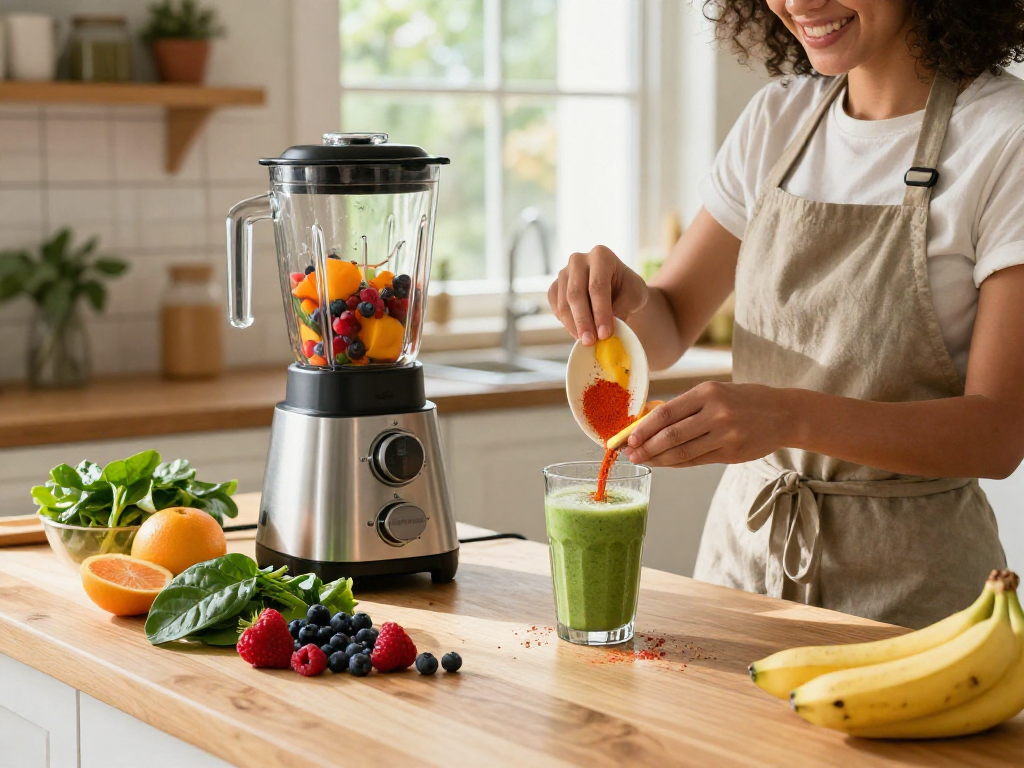
- Astaxanthin Smoothie: Blend together spinach, banana, a scoop of vegan astaxanthin powder, almond milk, and a tablespoon of almond butter for a nutrient-packed breakfast.
- Energy Bites: Combine oats, almond butter, vegan astaxanthin powder, maple syrup, and dark chocolate chips for a quick snack.
- Salad Dressings: Add a small amount of astaxanthin to homemade salad dressings to boost both color and nutrition.
Daily Dosage Recommendations and Tips
The recommended dosage of vegan astaxanthin varies depending on individual health goals and specific product formulations. However, a common suggestion is 4-12 mg per day. It’s best to consult with a healthcare professional before starting any new supplement regimen to determine what amount is right for you.
Supplements vs. Whole Food Sources
While whole foods are always the best source of nutrients, supplements can provide a concentrated dose of vegan astaxanthin that is hard to achieve through diet alone. For those who struggle to get enough astaxanthin from food, high-quality supplements can be a practical solution. Conversely, eating a balanced diet rich in diverse plant-based foods ensures adequate intake of a wide array of essential nutrients.
Challenges and Misconceptions
Common Myths about Astaxanthin
Despite its benefits, several misconceptions surround astaxanthin. One prevalent myth is that all astaxanthin products are derived from animal sources. In reality, there are numerous vegan-friendly options available. Another common misunderstanding is that higher doses automatically yield better results; however, exceeding recommended dosages can lead to diminishing returns.
Potential Side Effects and Safety Information
Vegan astaxanthin is generally considered safe for most individuals when taken within recommended dosages. However, some may experience mild side effects such as stomach upset or changes in skin color (a harmless temporary effect). Pregnant or breastfeeding individuals should consult with a healthcare professional prior to use.
Navigating Market Choices: What to Consider
When choosing vegan astaxanthin products, consumers should consider several factors:
- Source: Ensure the product is derived from reputable microalgae sources.
- Purity: Look for products that are free from additives and contaminants.
- Form: Decide between powders, capsules, or fortified foods based on personal preferences.
The Future of Vegan Astaxanthin in Health Trends
Emerging Research and Innovations in 2026
Research on astaxanthin is ongoing, with new studies emerging that highlight its potential applications in various health sectors. Innovations in extraction and formulation technology are expected to enhance the quality and efficacy of vegan astaxanthin supplements, making them more accessible and effective for consumers.
Consumer Awareness and Education Efforts
As the market for vegan products expands, consumer education becomes increasingly vital. Organizations and brands are investing in educational campaigns to inform potential users about the benefits and uses of vegan astaxanthin, fostering a more informed consumer base.
Integration of Vegan Astaxanthin in Functional Foods
In the coming years, we can expect to see a rise in functional foods that incorporate vegan astaxanthin. From bars to beverages, these products will cater to the health-conscious consumer looking for convenient ways to boost their nutrition.
What Health Enthusiasts Are Asking?
As more individuals become interested in vegan astaxanthin, common questions arise, including:
- How does astaxanthin compare to other antioxidants?
- What are the best ways to consume astaxanthin for optimal absorption?
- Are there any interactions with medications?
How Can Vegan Astaxanthin Enhance My Beauty Routine?
Vegan astaxanthin is increasingly being recognized for its beauty benefits. Its antioxidant properties help protect the skin from UV damage and environmental stressors, making it a coveted ingredient in skincare products. Incorporating astaxanthin into your beauty routine may lead to improved skin tone and texture.
Can Vegan Astaxanthin Help with Sports Performance?
Research suggests that astaxanthin may enhance athletic performance by improving endurance and recovery. Its anti-inflammatory properties can help reduce muscle soreness, making it a popular choice among athletes looking for natural ways to improve their training outcomes.
Is Vegan Astaxanthin Safe for Children?
While vegan astaxanthin is generally safe, it’s essential to consult with a pediatrician before introducing any supplements to a child's diet. Most children can obtain necessary antioxidants through a balanced diet, but specific supplementation may be warranted in certain cases.
What are the Best Ways to Store Vegan Astaxanthin Supplements?
To maintain the potency of vegan astaxanthin supplements, store them in a cool, dark place, preferably in an airtight container. Exposure to light and heat can diminish the effectiveness of the antioxidant.