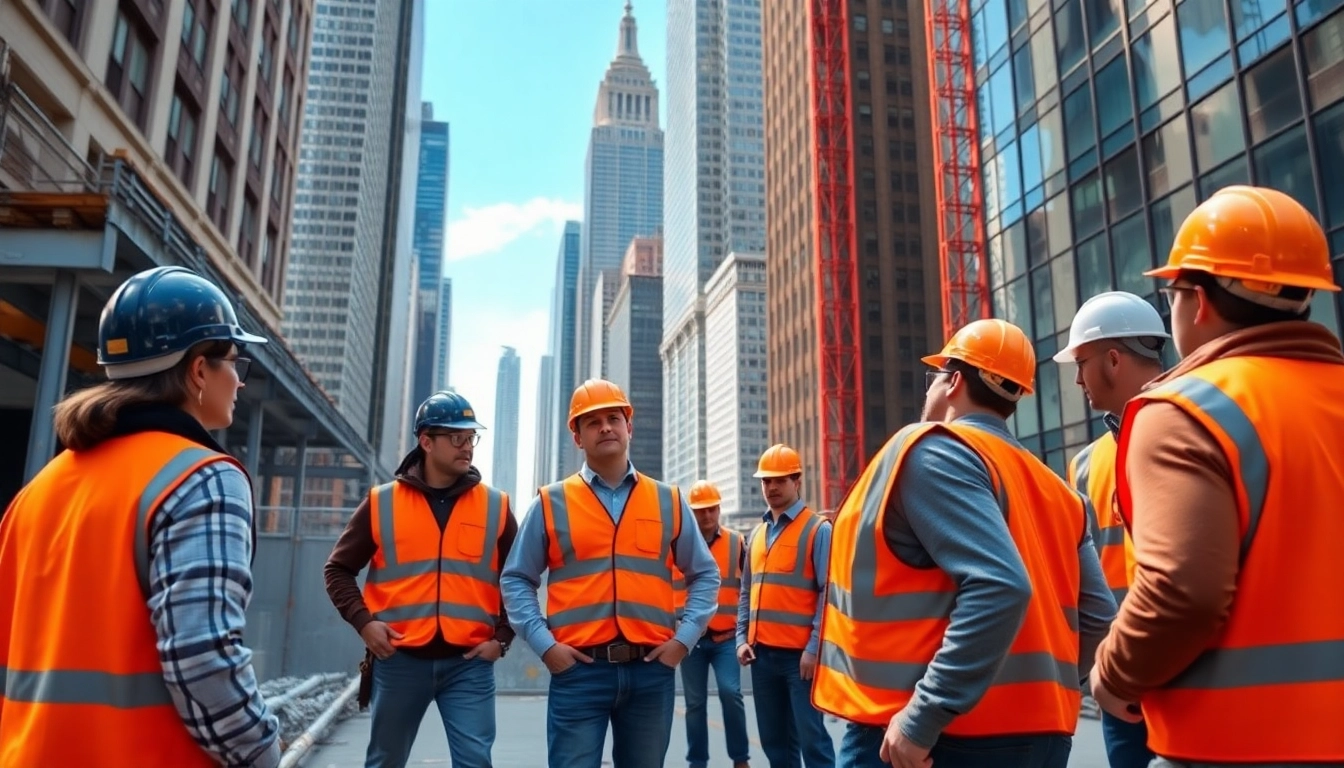
Understanding the Role of a New York Commercial General Contractor
Defining General Contracting in New York
In the bustling construction landscape of New York, a general contractor plays a critical role in turning architectural visions into tangible realities. A New York Commercial General Contractor serves as the principal point of contact for clients, overseeing the entire construction process from inception to completion. This vital position encompasses various responsibilities that ensure projects are completed on time, within budget, and to the client's satisfaction.
General contracting in New York is unique due to the city's complex regulatory environment and diverse building types, which range from high-rise offices to mixed-use developments. A general contractor must navigate city codes, zoning laws, and safety regulations, all while coordinating various trades and subcontractors effectively.
Key Responsibilities and Services Offered
A New York Commercial General Contractor typically encompasses several core responsibilities:
- Project Management: Overseeing all phases of construction, including planning, execution, and completion, ensuring that each step aligns with the project's objectives.
- Budget Management: Developing and monitoring budgets to ensure financial targets are met while providing transparency for all stakeholders.
- Scheduling: Creating timelines that outline project phases, manage labor availability, and ensure timely procurement of materials.
- Team Coordination: Managing subcontractors, vendors, and laborers, fostering effective communication and collaboration among all parties involved.
- Quality Control: Implementing health and safety measures, as well as maintaining construction standards that adhere to local regulations and project specifications.
- Permitting and Compliance: Navigating the local government’s requirements to secure necessary permits and approvals, ensuring that all work is compliant with building codes.
Importance of Hiring Local General Contractors
Opting for a local New York Commercial General Contractor can be advantageous for several reasons. Local contractors possess in-depth knowledge of New York’s specific building codes, materials, and resources, which can significantly streamline the construction process. Furthermore, their established relationships with local suppliers and municipalities can lead to smoother negotiations and faster project approvals.
Additionally, local contractors are more accessible for on-site visits, making it easier to address any potential issues as they arise. Their familiarity with the community can also enhance project outcomes by ensuring that constructions fit within the local aesthetic and cultural framework.
Evaluating Your Project Needs with a New York Commercial General Contractor
Assessing Scope and Scale of Your Construction Project
Before initiating any construction project, it's crucial to assess the scope and scale accurately. A general contractor can assist in evaluating whether your project requires a full-scale renovation, a ground-up build, or minor repairs. This evaluation often involves considering factors such as project size, complexity, and intended use of the space.
Establishing a clear understanding of the project's demands upfront helps in aligning expectations between all parties, which is essential for a successful construction initiative.
Budgeting and Financial Considerations
Budgeting is one of the most critical aspects of any construction project. A New York Commercial General Contractor can help develop a comprehensive financial plan that accounts for all facets of the project, including labor, materials, permits, and unforeseen expenses. Transparent budgeting practices foster trust and allow for contingency planning, which can be vital in a city known for its higher-than-average construction costs.
Most contractors can also provide insights on financing options, potential tax incentives, and cost-saving suggestions that could ease the financial burden of construction.
Timeline Planning and Management
Creating a realistic timeline is crucial for any construction project. A general contractor can utilize their expertise to construct a project schedule that outlines key milestones and deadlines, incorporating factors such as procurement delays and seasonal weather challenges that are particularly pertinent in New York.
Regularly updating the project schedule and communicating changes is vital to keeping all stakeholders informed and engaged, minimizing disruption to the overall workflow.
How to Choose the Right New York Commercial General Contractor
Researching and Comparing Contractors
Choosing the right contractor is a critical decision that can significantly impact your project's success. Begin by conducting thorough research to compare various contractors in New York. Look for contractors who specialize in projects similar to yours, reading reviews, testimonials, and case studies to gauge their reliability and quality of work.
Utilizing online platforms to access contractor directories or local business associations can provide additional insights and help you narrow down your choices effectively.
Checking Credentials, Licenses, and Insurance
Verification of a contractor's credentials is essential. Ensure they are licensed to operate in New York and carry the necessary insurance to protect against potential liabilities. Liability insurance and workers’ compensation coverage are particularly critical, as they safeguard both you and the contractor in case of accidents or damages.
Request to see documentation that affirms their qualifications and experience, as this serves as a strong indicator of their capability and professionalism.
Interviewing Potential Contractors for Fit
Once you have narrowed down your options, interview potential contractors to determine their fit for your project. Discuss your vision, clarify your expectations, and gauge their communication style and responsiveness. This interaction can provide invaluable insights into how well a contractor will work with you throughout the project.
Evaluate their problem-solving skills, approach to challenges, and flexibility regarding changes or unforeseen obstacles. This is crucial because construction projects often evolve, and having a contractor who can adapt is beneficial.
Best Practices for Working with a New York Commercial General Contractor
Establishing Clear Communication from the Start
Effective communication is the bedrock of a successful partnership with your contractor. From the outset, establish clear lines of communication to address any issues or questions that may arise during the project. Consider setting regular check-in meetings and ensuring all parties understand their roles and responsibilities.
Encouraging an open feedback loop fosters trust and allows the project to proceed more smoothly, as concerns can be proactively addressed.
Setting Milestones and Expectations Together
Collaboratively setting milestones allows both you and the contractor to maintain a shared understanding of project goals and deadlines. These milestones serve as checkpoints, providing opportunities to evaluate progress and adjust plans as necessary. Agreeing upon expectations at each stage of the project helps ensure that the final outcome aligns with your vision.
Monitoring Progress and Addressing Challenges
Regularly monitoring the project's progress keeps everyone accountable. Engage in walkthroughs and site visits to assess the quality of work and adherence to timelines. Be proactive in addressing any challenges that arise, as early intervention often mitigates larger issues down the line. Working closely with your New York Commercial General Contractor fosters a collaborative environment, enabling both parties to work together toward successful outcomes.
Measuring Success and Performance with Your New York Commercial General Contractor
Evaluating Project Outcomes Against Goals
After project completion, it’s important to evaluate outcomes against the initial goals established. Assess factors such as cost, timeline adherence, quality of work, and overall client satisfaction. This evaluation can shed light on how well the project aligned with your vision and identify areas for improvement in future projects.
Receiving Feedback and Conducting Post-Project Reviews
Gathering feedback from all stakeholders, including subcontractors and suppliers, can provide valuable insights into the project process. Conducting a post-project review helps identify what worked well and what could be adjusted in future endeavors. This iterative process can enhance the performance and efficiencies of both the contractor and the client in future projects.
Building Long-term Relationships for Future Projects
Establishing a positive working relationship with your New York Commercial General Contractor can pave the way for future collaboration. If your contractor has demonstrated professionalism, efficiency, and quality work, consider building a long-term partnership. By fostering these relationships, you can benefit from streamlined communication and a mutual understanding of expectations in subsequent projects.