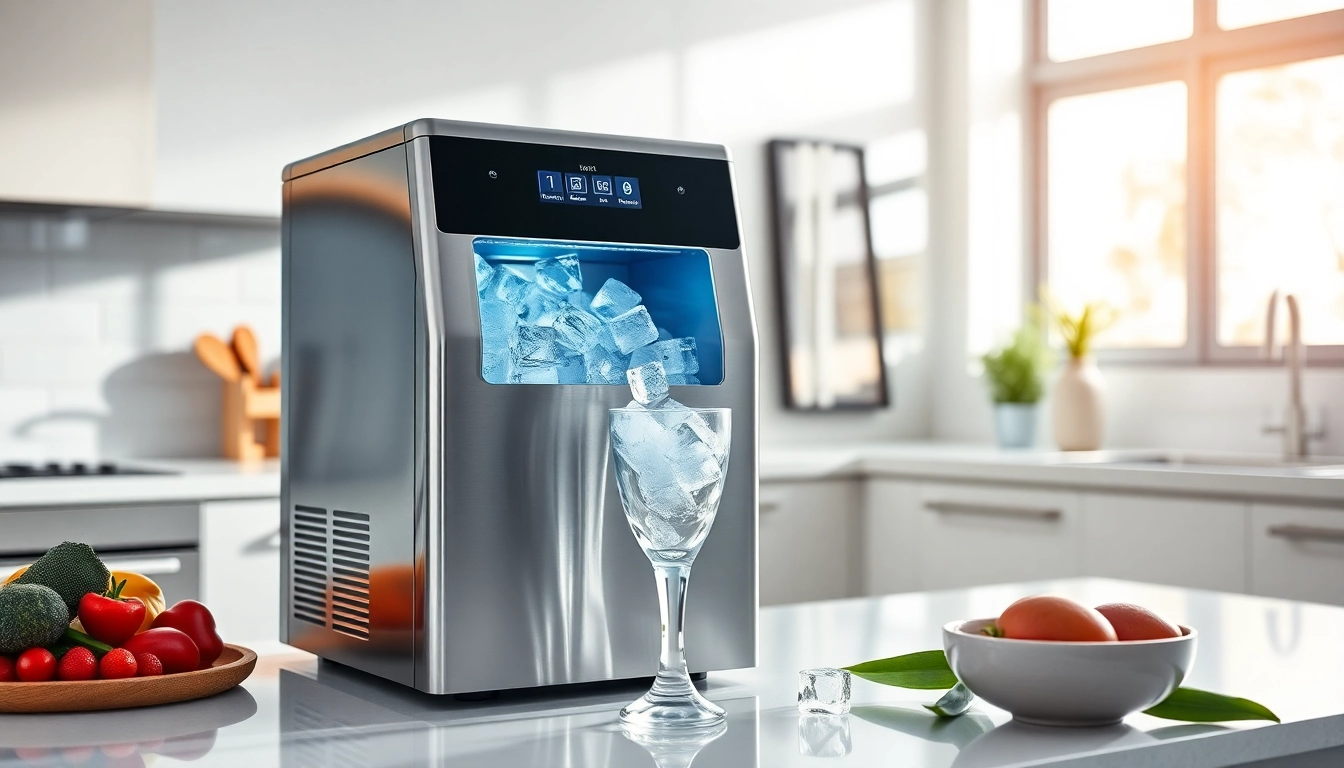
Understanding the Different Types of Ice Makers
Countertop Ice Maker: Space-Saving Convenience
Countertop ice makers are a popular choice for those who need a compact and convenient solution for their ice needs. Designed to fit on kitchen countertops, these appliances can produce ice rapidly and efficiently. An average countertop ice maker can churn out about 20 to 28 pounds of ice per day, making them perfect for personal use, parties, or small gatherings. Many models even feature quick ice production cycles—some can produce a batch of ice in under 10 minutes. With variety in shapes—like bullet or nugget ice—consumers can choose based on their particular preferences.
Built-In Ice Maker: Integrated Solutions
For those looking for a more permanent solution, built-in ice makers are available to integrate seamlessly into kitchen cabinetry. These models are designed for under-counter installation and offer larger capacities than their countertop counterparts. Typically, a built-in model can produce anywhere from 25 to 400 pounds of ice daily, catering to larger households or commercial settings. Featuring sophisticated designs, built-in ice makers usually come with advanced controls and can often connect directly to a water line, providing a constant supply of ice without the need for frequent refills.
Commercial Ice Maker: High Output Requirements
In environments where high volume ice production is essential, commercial ice makers are the ideal solution. Found in restaurants, bars, and large events, these machines are designed to produce hundreds of pounds of ice daily. Commercial models can be either standalone units or can be built into existing structures. These heavy-duty machines often have superior build quality and advanced features, ensuring they can handle the demands of high usage while maintaining ice quality. Furthermore, they typically offer a variety of ice shapes and sizes, making them incredibly versatile in various applications.
Key Features to Look for in an Ice Maker
Ice Production Capacity: What You Need
When selecting an ice maker, understanding the required ice production capacity is crucial. Assess your needs based on usage scenarios—family gatherings, entertaining friends, or everyday use. Daily production rates vary widely, from 20 to upwards of 400 pounds a day, and knowing how much you need will streamline the decision-making process. For occasional use, a countertop model might suffice, while high-volume needs may point toward commercial models.
Size and Space Considerations
Available space in your kitchen or designated area for the ice maker should heavily influence your choice. Countertop models are small but may not hold as much ice as built-in models. Always measure the area where you plan to install an ice maker, accounting for necessary ventilation space and any additional plumbing needs for built-in and commercial versions. If space is at a premium, select a compact model that fits without sacrificing functionality.
Energy Efficiency Ratings Explained
Energy efficiency is a key factor to consider when investing in an ice maker. Look for models with high energy efficiency ratings that can save you money on electricity costs in the long run. Energy Star-rated machines often feature advanced technology that minimizes energy consumption while maximizing output. In addition to protecting your wallet, choosing an energy-efficient ice maker helps reduce your carbon footprint, aligning with sustainable living principles.
Benefits of Having an Ice Maker at Home
Convenience for Entertaining
Having an ice maker at home significantly increases convenience when it comes to entertaining guests. No need to plan ahead for ice runs to the store; you’ll always have fresh ice on hand for cocktails, soft drinks, and other beverages. Whether it's a casual gathering or a formal celebration, the ability to produce ice quickly allows hosts to focus on other aspects of entertaining, such as food preparation and guest interaction.
Cost-Effective Solution for Ice Needs
Over time, owning an ice maker can prove to be cost-effective. Buying bags of ice repeatedly can quickly add up, often surpassing the initial investment cost of a quality ice maker. Moreover, having a dedicated ice supply means you will save on trips to the store, reduce waste, and enjoy the peace of mind that fresh ice is always available for your needs.
Quality and Taste: Why It Matters
The ice produced by home ice makers varies in quality and taste compared to store-bought or gas station ice. A home ice maker typically filters water to produce clear, pure ice free from impurities and taste interference. This ice provides a better experience for beverages, ensuring drinks taste fresher and more enjoyable. Furthermore, high-quality ice is an essential element in enhancing the drink's presentation and user satisfaction.
Common Issues and Troubleshooting Ice Makers
Understanding Ice Maker Malfunctions
When encountering issues with your ice maker, the first step is to diagnose the malfunction. Common issues include machine not producing ice, slow ice production, or poor quality ice. Many problems may stem from simple issues like clogged water lines or low water supply. Identifying problems early can often prevent significant repairs and extend the lifespan of your appliance.
Regular Maintenance Tips
To keep your ice maker functioning smoothly, incorporate regular maintenance tasks into your routine. Cleaning the water reservoir and internal components can prevent the build-up of mold or mineral deposits. For countertop models, simply use a mixture of water and vinegar to cleanse the interior regularly. Don't forget to check the connections and replace any worn parts before they lead to larger issues, ensuring longevity and performance.
When to Seek Professional Help
It is essential to know when to escalate your ice maker issues to a professional. If you've tried troubleshooting without success, or the problems seem complex—such as electrical issues or a significant leak—consulting a technician is advisable. An expert can efficiently identify and address the root cause, preventing further damage and ensuring your machine continues to operate effectively.
Most Frequently Asked Questions About Ice Makers
Is it worth investing in an ice maker?
Yes, an ice maker can save time and money, providing fresh ice without repeated trips for store-bought bags.
What is the average ice production rate?
Most residential ice makers produce between 20 to 28 pounds of ice per day, adequate for everyday use.
Can ice makers be used to make different types of ice?
Many models produce various ice shapes including cubes, nuggets, and crushed styles to suit diverse preferences.
Do ice makers require a water line?
Some models require a direct water line, while others feature reservoirs for easy portability without installation.
How to clean and maintain an ice maker?
Regular cleaning with vinegar or a commercial cleaner is crucial to ensure good performance and hygiene in your machine.