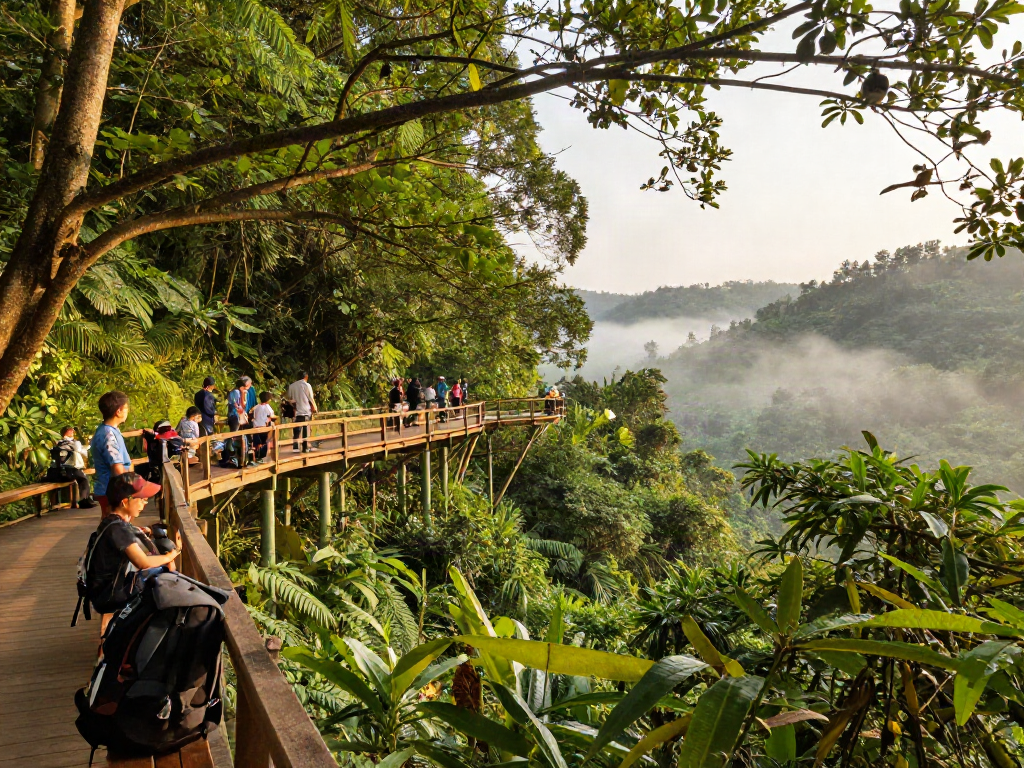
Introduction to Treetop Walkways
As humanity seeks deeper connections with nature, the Treetop Walkway has emerged as an exhilarating way to immerse oneself in the beauty of the forest canopy. These elevated pathways not only allow visitors to experience the breathtaking heights of the trees but also offer a unique vantage point to observe the diverse ecosystem thriving above ground. With the appeal of adventure and the need for conservation awareness, treetop walkways have become popular destinations for nature lovers, families, and tourists seeking to explore the wonders of the environment from a new perspective.
What is a Treetop Walkway?
A treetop walkway is an elevated path that allows people to walk amongst the tree canopy, providing an opportunity for close encounters with wildlife and stunning views of the forest landscape. Typically constructed using sustainable materials, these walkways weave through treetops at various heights, offering educational signage about the flora and fauna found in that ecosystem. They promote not just recreational activities but also environmental education, enabling visitors to understand the importance of protecting these vital habitats.
History and Development of Treetop Walkways
The concept of treetop walkways dates back to early attempts to create access to the forest canopy without the need for climbing or disturbing the trees. The first modern walkways began appearing in the late 20th century, particularly in Europe and North America. These structures were designed with safety and sustainability in mind, incorporating engineering techniques that minimise impact on the surrounding environment. As research into forest ecosystems grew, so did the recognition of the need to protect these areas while still allowing people to experience them. Today, treetop walkways are celebrated attractions in many parts of the world, blending adventure, scientific exploration, and nature appreciation.
Why Choose a Treetop Walk for Your Next Adventure?
Choosing a treetop walkway for your next adventure is an excellent way to combine physical activity with an immersive nature experience. Whether you are a family looking for a fun day out, a couple seeking a romantic escape, or an individual wanting to connect with nature, these walkways offer something for everyone. The gentle elevation allows for easy walking while providing a unique perspective on the forest's beauty, making it accessible for visitors of all ages and abilities.
Benefits of Visiting a Treetop Walkway
Connect with Nature and Explore Biodiversity
Treetop walkways serve as portals to the rich biodiversity of forest ecosystems. Visitors can observe birds, insects, and plants that thrive in the canopy, fostering a deeper understanding of the interconnections within nature. This connection to biodiversity nurtures a sense of responsibility towards environmental conservation, encouraging individuals to become advocates for preserving these natural areas.
Physical and Mental Health Benefits
Walking through treetop walkways also has significant health benefits. The gentle exercise helps improve cardiovascular health and promotes overall fitness. Furthermore, spending time in nature has been shown to reduce stress, enhance mood, and improve mental health. Immersing oneself in the sights and sounds of the forest can be a calming and restorative experience, making these walkways an ideal escape from the pressures of modern life.
Family-Friendly Activities and Experiences
Treetop walkways often feature family-friendly activities that engage children and adults alike. Many locations include educational exhibits, interactive displays, and guided tours that cater to multiple age groups. Families can explore together, learning about the environment and having fun at the same time. Additionally, the opportunity for physical activity—whether it’s walking, climbing, or engaging in nature-based games—makes treetop walkways perfect for family outings.
Top Treetop Walkway Destinations in 2026
Must-Visit Locations for Nature Lovers
As treetop walkways gain popularity, numerous remarkable locations have emerged worldwide. Here are some top destinations that every nature lover should add to their travel itineraries:
- The Wild Walk at The Wild Center, USA: This unique walkway features a series of bridges, treehouses, and interactive installations that encourage exploration of the Adirondack forest.
- Kew Gardens Treetop Walkway, UK: A stunning path that elevates visitors 18 metres into the canopy of the Royal Botanic Gardens, perfect for enjoying views of ancient trees and vibrant plant life.
- Valley of the Giants Treetop Walk, Australia: Located among a forest of giant tingle trees, this walkway allows visitors to feel the sway of the treetops and appreciate the area's unique ecology.
- Murch Canopy Walk at Holden Arboretum, USA: A 500-foot-long elevated walkway that rises 65 feet above the ground, providing breathtaking views of the surrounding landscape.
- Canopy Walkway in Garmisch-Partenkirchen, Germany: This impressive structure meanders through the treetops of the Bavarian Alps, blending adventure with stunning mountain vistas.
Unique Features of Each Treetop Walkway
Each of these treetop walkways offers unique features that enhance the visitor experience. From interactive educational elements to stunning architectural designs, these pathways are tailored to their environments. For example, the Wild Walk includes fun elements such as a giant spider web and a twig treehouse, encouraging visitors to engage with the forest in playful ways.
Visitor Experiences and Testimonials
Visitors consistently share positive experiences when exploring treetop walkways. Many highlight the sense of awe and wonder that comes from walking among the treetops, with breathtaking views and close-up encounters with nature. Testimonials often emphasize the educational aspect of these walks, making them not only enjoyable but also informative experiences for individuals and families alike.
Planning Your Visit to a Treetop Walkway
Best Times of Year to Visit
The ideal time to visit a treetop walkway often depends on location, but generally, spring and autumn are favoured for their mild weather and vibrant foliage. In spring, wildflowers bloom and the forest comes to life, while autumn offers stunning fall colours, creating picturesque views from high above the ground.
What to Bring and How to Prepare
When planning a visit to a treetop walkway, it's essential to prepare adequately. Comfortable walking shoes, a hat, sunscreen, and a water bottle are must-haves. Depending on the location, binoculars can enhance the wildlife-watching experience, while cameras are perfect for capturing the stunning views from the treetops. Visitors should also consider checking the weather forecast to dress appropriately.
Accessibility Considerations and Tips
Many treetop walkways strive to be accessible for individuals with mobility challenges. It’s a good idea to check the specific accessibility features of each walkway before visiting. Ramps and wide pathways often accommodate wheelchairs and strollers, ensuring that everyone can enjoy the stunning views from the canopy.
Future Trends in Treetop Walkways
Innovative Designs and Structures on the Horizon
The future of treetop walkways is bright, with innovative designs emerging worldwide. Architects and engineers are increasingly focusing on sustainable materials and methods that integrate more seamlessly into their natural surroundings. Expect to see more structures that enhance the visitor experience while prioritising environmental preservation.
Environmental Impact and Sustainability Initiatives
Sustainability is at the core of many new treetop walkway projects. These initiatives often include using recycled materials, eco-friendly construction practices, and educational programs that promote conservation. As interest in eco-tourism grows, treetop walkways will continue to emphasize their role in environmental awareness and protection.
Predictions for the Growth of Eco-Tourism in 2026
As people become more aware of climate change and environmental issues, eco-tourism is expected to grow significantly. Treetop walkways perfectly align with this trend, providing responsible tourism options that educate visitors about environmental protection while delivering unforgettable experiences. The demand for immersive, nature-based travel will likely lead to the construction of even more treetop walkways around the globe in the coming years.
What are the best treetop walkways in the world?
The best treetop walkways are often characterized by beautiful scenery, unique designs, and immersive experiences. As highlighted earlier, places like Kew Gardens and the Wild Walk offer extraordinary features that attract visitors. Each location provides its unique charm and educational value, making them must-visit sites for nature enthusiasts.
How do treetop walkways benefit the environment?
Treetop walkways benefit the environment by promoting conservation awareness and providing a means for eco-friendly tourism. By creating access to the forest canopy, they allow for greater understanding of ecosystems without disturbing the wildlife. This increased awareness can lead to stronger advocacy for environmental protection.
Are there safety concerns associated with treetop walkways?
While safety is always a concern, most modern treetop walkways are designed with strict safety standards in mind. Regular inspections and maintenance ensure these structures remain safe for visitors. Additionally, guidelines are in place to educate guests on safe walking practices while enjoying the heights.
What should I wear for a treetop walkway visit?
Comfortable, weather-appropriate clothing and sturdy shoes are most advisable for a treetop walkway visit. Layers are recommended to adjust to changing temperatures, and equipment such as harnesses may be provided depending on the walkway's design. Always check specific requirements for your chosen walkway.
Can children participate in treetop walking activities?
Yes, many treetop walkways welcome children and provide family-friendly activities that engage kids in learning about nature. Safety measures are typically in place to ensure young visitors can explore the heights safely. Parent supervision is often required, making it a fun family activity.