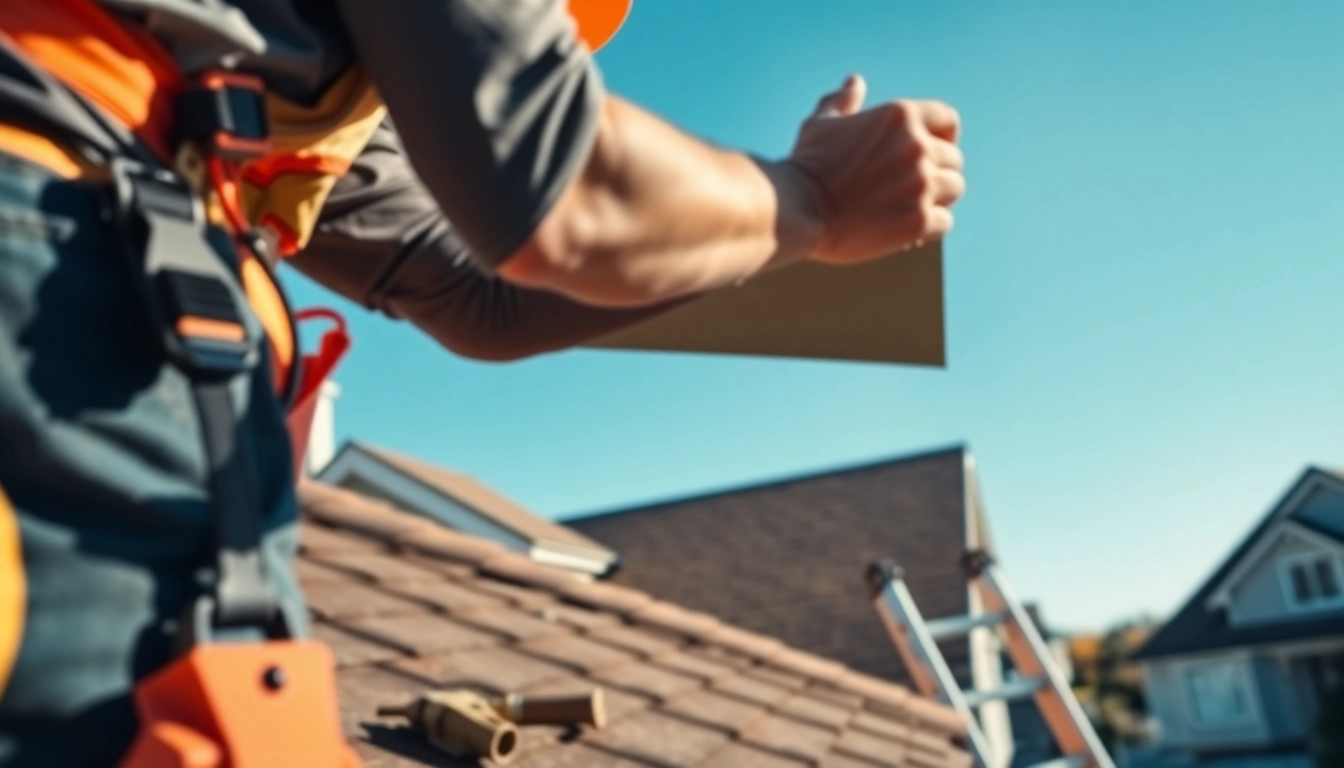
Understanding Professional Roofing Services
What Are Professional Roofing Services?
Professional roofing services encompass a wide range of activities related to the installation, maintenance, and repair of roofs. These services are performed by skilled professionals equipped with the necessary tools, materials, and expertise to handle various roofing tasks. When it comes to safeguarding your home or commercial building, hiring experts in the field is crucial. A reliable roof not only enhances property aesthetics but also provides significant protection from environmental elements, such as rain, snow, wind, and UV rays.
The scope of professional roofing services can range from simple repairs to complete roof replacements. This might include inspecting existing roofs, recommending suitable materials for new installations, addressing leaks, maintaining drainage systems, and offering preventative maintenance solutions. For those seeking a trustworthy service provider, exploring Professional roofing services can lead to valuable insights and superior options.
Importance of Quality Roofing
Quality roofing is essential for numerous reasons. Firstly, it plays a vital role in protecting the structural integrity of a building. A well-installed and maintained roof prevents water from infiltrating the building, which could negatively impact walls, ceilings, and insulation over time. Secondly, quality roofing contributes to energy efficiency; a properly insulated roof can regulate indoor temperatures, reducing reliance on heating and cooling systems, thus leading to lower energy bills.
Moreover, a quality roof adds to the overall value of a property. Potential buyers often focus on the state of the roof when evaluating a home, making it a key factor in real estate transactions. Investing in good roofing can result in a higher return on investment should you decide to sell your property. Lastly, quality roofing offers safety, ensuring that families are shielded from harsh weather conditions and debris, which might otherwise cause accidents.
Types of Professional Roofing Services Offered
Professional roofing services cover several types, each tailored to meet specific needs. Some of the main types of services offered include:
- Roof Installation: This includes selecting the right materials (asphalt shingles, metal roofing, etc.) and installing them according to industry standards.
- Roof Repair: This service addresses existing issues, such as leaks or damaged shingles, to extend the roof's lifespan.
- Roof Replacement: When a roof is beyond repair, experts will safely remove the old roofing and install a new one.
- Maintenance Services: Regular inspections and maintenance can help identify issues before they escalate, ensuring long-term durability.
- Emergency Services: In situations where urgent roofing repairs are required due to storm damage or leaks, professional services provide immediate assistance.
- Commercial Roofing: Specialized services tailored for commercial buildings, including flat roofing systems and waterproofing.
Choosing the Right Professional Roofing Services
Factors to Consider When Hiring
Selecting the right professional roofing service can significantly affect the outcome of your roofing project. There are several factors to consider when making your choice:
- Experience: Look for a contractor with a solid track record and extensive experience in the roofing industry.
- Reputation: Research online reviews and ratings to gauge the contractor's reliability and quality of service.
- Licensing and Insurance: Ensure that the contractor possesses the necessary licenses and insurance to protect you and your property from liability.
- Warranty: A reputable roofing service should offer warranties on both materials and workmanship, ensuring protection against future issues.
- Transparent Pricing: Request detailed quotes from multiple contractors to compare costs and eliminate hidden fees.
How to Assess Service Provider Qualifications
Evaluating a roofing service provider's qualifications is essential to ensure that you are making an informed choice. Here are the steps to effectively assess qualifications:
- Check Credentials: Verify that the contractor has the appropriate certifications and licenses that comply with local regulations.
- Review Portfolio: Look for a portfolio of past work. Quality providers often showcase their completed projects to demonstrate their capability.
- Ask for References: Request references from previous clients and follow up to see if they were satisfied with the roofers’ performance.
- Evaluate Communication: A competent service provider communicates effectively, addressing your concerns promptly and thoroughly.
- Consider Proven Expertise: Some roofing services specialize in specific types of roofs; ensure the provider has experience with your chosen roofing material.
Common Myths About Professional Roofing Services
Misconceptions about roofing services can lead to confusion and missed opportunities. Here are some common myths you should be aware of:
- Myth 1: Roofing repairs are only necessary when there is a visible leak. Fact: Regular maintenance and inspections are essential to identify hidden issues before they lead to damage.
- Myth 2: All roofing companies are the same. Fact: Quality varies between roofing service providers; thorough research is key to finding a reputable contractor.
- Myth 3: It’s okay to pay only for the cheapest service. Fact: Opting for the lowest bid can lead to subpar materials and workmanship, ultimately costing more in repairs.
- Myth 4: Roofing only needs to be replaced once every 30 years. Fact: Depending on the materials and environmental conditions, maintenance and potential replacements may be required sooner.
- Myth 5: DIY roofing repairs are a good way to save money. Fact: Inexperienced attempts can lead to further damage and safety hazards.
The Process of Professional Roofing Services
Initial Assessment and Consultation
The roofing process begins with an initial assessment and consultation. This stage involves the contractor visiting your property to evaluate the current roof conditions and discuss your needs and expectations. An experienced roofer will inspect all areas, including gutters, chimneys, and vents, to identify potential issues that may not be visible at first glance.
During this phase, it’s essential to communicate your budget and any specific requirements you may have, such as roof material preferences or aesthetic considerations. The contractor should then provide a detailed analysis and recommendation tailored to your situation, explaining the best options available. This consultation ensures that both parties are aligned on the project goals from the outset.
Materials and Techniques Used
Understanding the types of materials and techniques used by professional roofing services is key to informed decision-making. Various roofing materials cater to different styles, budgets, and durability needs. Common materials include:
- Asphalt Shingles: Affordable and widely used, asphalt shingles come in various colors and styles but may have shorter lifespans compared to other materials.
- Metal Roofing: Known for its durability and energy efficiency, metal roofs can last up to 50 years or more and are available in various styles.
- Slate: An elegant and long-lasting option, slate roofing is resilient but can be more expensive due to its weight and material costs.
- Tile Roofing: Popular in warm climates, tile roofs provide excellent durability and aesthetic appeal, though they often require more structural support.
Techniques used in roofing installation vary based on the materials chosen. For instance, metal roofs require unique fastening systems to manage expansion and contraction, while traditional methods for shingle installation involve overlapping materials to ensure water runoff. Quality roofers stay updated with the latest techniques to guarantee that work complies with industry best practices.
Project Timeline and Expectations
Every roofing project comes with its unique timeline and set of expectations. Factors like the type of roofing material chosen, project scope, weather conditions, and contractor availability influence how long a project may take. Generally, a simple roof repair can be completed in a day or two, while full replacements might take several days to weeks.
To set proper expectations, contractors should provide a detailed project timeline during the consultation phase. This outline should clearly indicate the phases of work, estimated completion dates, and key tasks involved. Additionally, it’s crucial to maintain open lines of communication throughout the project, allowing for any adjustments due to unforeseen challenges or delays.
Maintenance and Care for Your Roof
Routine Maintenance Practices
Routine roof maintenance is vital to prolonging the life of your roof and preventing costly repairs. Simple practices that homeowners can adopt include:
- Regular Inspections: Inspect your roof at least biannually, especially after severe weather, to identify any damage or wear.
- Debris Removal: Clear away leaves, branches, and other debris from the roof surface and gutters to prevent water buildup and algae growth.
- Gutter Maintenance: Ensure gutters are clear to promote proper water drainage and prevent water damage to the roof and foundations.
- Cleaning Roof Surfaces: Periodically wash your roof with gentle cleansers to remove moss or mildew that can degrade roofing materials.
Signs That You Need Roofing Repairs
Being proactive about roofing repairs can save homeowners from larger issues in the long run. Some common signs that indicate the need for roofing repairs include:
- Visible leaks or water stains on ceilings and walls.
- Missing, cracked, or curling shingles.
- Granules from shingles accumulating in gutters.
- Sunshine peeking through gaps in the roof.
- Increased energy bills due to poor insulation.
If you notice any of these warning signs, it is essential to contact a professional roofing service promptly for a thorough inspection and necessary repairs.
Winter Preparation Tips for Roofs
With winter fast approaching, preparing your roof for the colder months can prevent several issues that arise from snow and ice accumulation. Here are some essential tips:
- Inspect for Weaknesses: Conduct a detailed inspection to identify any weak spots that could exacerbate under the weight of snow.
- Clean Gutters: Ensure that all gutters and downspouts are clear of leaves and debris to facilitate effective melting of snow.
- Insulation Checks: Improve insulation to prevent ice dams, which can lead to leakage and roof damage over time.
- Trim Overhanging Branches: Cut any branches that could fall onto your roof or home during severe snow or windy conditions.
The Future of Professional Roofing Services
Innovative Roofing Technologies
Innovation in the roofing industry significantly affects the efficiency and sustainability of professional roofing services. Emerging technologies continue to shape how roofs are built, maintained, and repaired. One example is the use of drones for roof inspections, allowing professionals to quickly assess roof conditions without requiring scaffolding or ladders, which can be time-consuming and potentially dangerous.
Furthermore, advancements in materials, such as reflective roofing systems that reduce heat absorption, have made it possible to create roofs that not only protect buildings but also contribute to energy efficiency. Smart roofing technologies equipped with sensors can monitor temperature changes, allowing for real-time data exchange related to roof performance.
Sustainable Practices in Roofing
In an era of increased environmental awareness, sustainable roofing practices are gaining immense traction. Homeowners are opting for eco-friendly materials that have minimal environmental impact, like recycled shingles and green roofs integrated with vegetation. These practices offer dual benefits: reducing runoff and improving air quality, while also enhancing the property’s overall energy efficiency.
Additionally, incorporating solar panels into roofing systems allows homeowners to reduce their carbon footprint while also generating their energy source. Many professional roofing services now offer integrated solar technology as part of their installation services, enabling clients to embrace renewable energy effectively.
What to Expect in the Coming Years
The future of professional roofing services is poised for substantial evolution, marked by several key developments. As technology continues to advance, we can expect increased automation in roofing processes, leading to faster project completion and improved safety measures for workers.
Furthermore, a stronger focus on sustainability is likely to drive demand for environmentally friendly materials and technologies. More homeowners will seek out roofing solutions that not only protect their properties but also align with their environmental values. This shift represents an opportunity for professional roofing services to innovate and adapt to changing consumer preferences.